
Insights ·September 1, 2026
Working with Interior Designers: How I Photograph Spaces That Tell a Story
Professional interior photography that showcases design intent. Learn how I work with designers to capture spaces authentically and beautifully.
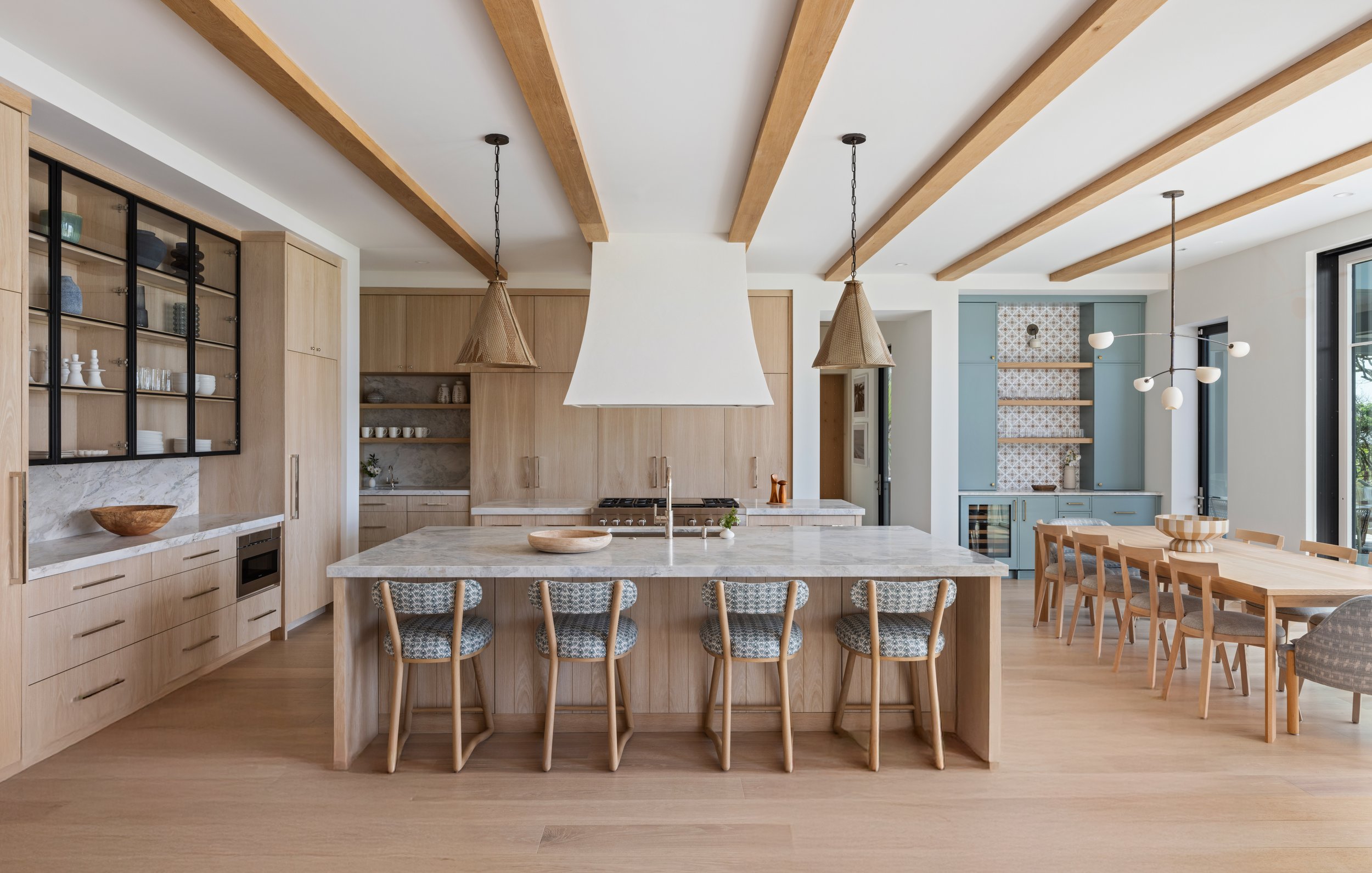
The Space Between Pinterest and Reality
Every interior designer I've worked with says the same thing: "I love your photography because it shows what we actually designed, not some perfect, sterile version that has nothing to do with how the space will live."
That's the goal. Not to create an impossibly perfect image that looks like a magazine spread no one could ever recreate. But rather to photograph a thoughtfully designed space in such a way that potential clients, award judges, or publication editors immediately understand the designer's vision.
Interior design photography is a specific craft. It sits at the intersection of architecture, design sensibility, and technical lighting skill. Get it right, and the images become the designer's best marketing tool. Get it wrong, and even brilliant design looks flat or, worse, staged and inauthentic.
The Pre-Shoot Walkthrough: Where It All Starts
Before I ever point a camera at a space, the designer and I spend time together in the finished room.
This isn't a quick walk-through. It's a thoughtful conversation about intent. What was the design challenge? What's the story the designer wants these images to tell? Are we showcasing a transformation (before was outdated, after is modern luxury)? Are we revealing the sophistication of material choices (authentic hardwood, hand-selected tile, upholstered details)? Are we demonstrating how a space functions for a young family, or how it invokes calm for a healthcare client?
The best design photography starts with understanding what the designer is trying to communicate. Some designers are all about color and pattern — bold walls, statement furniture, artistic risk-taking. Others work in a more restrained palette and want the images to highlight craftsmanship and proportion. Some spaces are meant to feel warm and lived-in; others are meant to feel aspirational and cutting-edge.
I listen. I ask questions. I look at the space from different angles and note where the light falls naturally, where the architectural bones of the room create strong lines, where the designer's specific choices (a backsplash, a hardware detail, a paint color) deserve emphasis.
Then I plan the photography accordingly.
Capturing Hero Moments vs. Showing Reality
There's a difference between a "hero shot" — the single, most Instagram-friendly angle that makes a room look its absolute best — and the full suite of images that tell a complete story.
Both matter. Every design project needs at least one hero image. That's the photograph that gets used in an Instagram post caption, pinned to a mood board, or featured on the designer's website homepage. It's the image that makes someone stop scrolling and click for more.
But behind every hero shot, there should be supporting images that show the space from multiple angles, reveal how rooms connect, demonstrate scale and proportion, highlight materials and details, and capture candid moments of functionality (a client reading in the designed nook, light falling across a carefully selected rug, someone using the designed kitchen in a real way).
This is where the interior design photographer earns their fee. Styling a room for one perfect angle is easy (remove clutter, add flowers, stage the furniture). Photographing a space in such a way that every angle — the overview, the closeup, the detail, the corner, the whole wall — all reinforce the design intent? That requires real skill and planning.
Material Integrity: Showing What's Actually There
Here's something that separates professional interior photography from amateur snapshots: color and texture accuracy.
When a designer selects a specific fabric for a sofa, they're choosing a particular weave, a particular dye lot, a particular hand-feel. When they choose a wood tone for cabinetry, they've spent time with samples in the space's actual lighting. When they pick a paint color, it's been tested on the wall in morning light, afternoon light, and evening light.
Then that designer's photograph appears online with oversaturated colors, blown-out highlights that make the white curtains look blown-out and harsh, or a cool color cast that turns warm metallics into cold steel. Suddenly the design doesn't read as intended.
Part of my job as an interior design photographer is color and lighting accuracy. I shoot with calibration in mind, managing exposure to hold detail in bright areas (windows, light-colored walls) while revealing shadow detail in darker corners. I use color-corrected lighting if natural light needs supplementation. I ensure that when the image is viewed on a monitor, a print, an Instagram feed, or a design publication, the colors stay true.
This is technical work. But it's in service of something bigger: honoring the designer's actual choices and making sure the space reads as intended to future clients and decision-makers.
Detail Shots: The Small Decisions That Matter Most
A well-photographed interior includes detail shots. Not every photo needs to be a wide, full-room angle.
A closeup of a hardware detail on a custom cabinet. The hand-applied finish on a ceramic tile. A folded linen napkin on a set table. The weave of a custom textile. The junction where two materials meet. A light fixture casting shadows on the wall.
These details do two things. First, they show the designer's craftsmanship and material choices without requiring an explanation. The photograph *is* the explanation. Second, they break up the image collection and give the viewer a tactile sense of the space — they can almost feel the textures.
Interior designers appreciate these detail shots because they're often the most difficult design decisions to communicate in words. "I selected a tactile, natural weave fabric that plays against the modern minimalist furniture." That's one way to explain it. A closeup photograph of the fabric with the light hitting it just right? That communicates instantly.
Commercial vs. Residential: Different Challenges, Same Photography Principles
I photograph residential interior design spaces — luxury homes, designed by residential architects and interior designers. But the same principles apply to commercial work: healthcare facilities with designed patient rooms, office spaces designed for focus and collaboration, hospitality properties designed for memorable guest experiences.
The difference is scale and intention. A healthcare facility design might be focused on calming colors and infection-control materials that *look* beautiful while also being practical. An office space might balance aesthetics with acoustic performance and ergonomic thinking. A hospitality space combines guest comfort with operational efficiency.
The photography needs to communicate all of those layers at once. It's not just "this room looks nice." It's "this room was designed intelligently for its specific purpose."
Publication and Award Readiness: Thinking Beyond Instagram
Not every interior design photograph gets published in Southern Home magazine or submitted to an AIA award competition. But the best photographers work with designers thinking about those possibilities.
Publications like Southern Home, Charleston Home + Design, and national design magazines have specific photography standards. They want sharp, color-accurate, professionally lit images at high resolution. They want variety in composition (not just wide shots, but details and angles). They want the images to stand alone without explanation while also working together as a series.
Award submissions have even stricter requirements: typically very high resolution, specific orientations, sometimes specific aspect ratios. The images need to communicate the design intent and the execution quality in a compelling visual language.
When I photograph a designed space, I'm thinking about all these uses simultaneously. The Instagram-friendly hero shot, yes. But also the high-resolution archive of technical images that will serve the designer across all these platforms for years to come.
The Collaborative Relationship: Designer and Photographer
Great interior design photography is always a collaboration. The designer brings the design intent and subject matter expertise. I bring the visual and technical skill to communicate it.
This means ongoing communication. Sometimes a designer has a vision I don't immediately understand, and we need to talk through it (and maybe I need to experiment with different angles or lighting approaches). Sometimes I see an opportunity to photograph something in a particular way that even the designer hadn't envisioned — and they tell me if it serves their intent or misses the mark.
The best work happens when both parties are invested in the outcome and willing to iterate until the images truly represent what was designed.
Ready to Elevate Your Project's Presentation?
If you're an interior designer or residential architect in the Charleston area, or if you're planning a project you'd like to photograph professionally, let's talk. I work with designers like Tracy Morris Design, Caroline Brackett Studio, and others who understand that photography is part of how great design gets seen and appreciated.
Reach out at elliscreekphotography.com/contact or call (843) 732-6111. I'd love to discuss your next project.
---
Continue Reading