
Insights ·October 1, 2026
Fall in the Lowcountry: Why Autumn Is the Best Season for Architectural Photography
Why autumn is ideal for architectural and real estate photography. Golden light, clear skies, perfect conditions. Schedule your fall shoot now.
The Light Changes Everything
There's a moment in early October when the light in Charleston shifts. The summer humidity that creates haze begins to lift. The angle of the sun drops lower on the horizon, earlier in the day than it does in June or July. The air becomes clearer.
From a photographer's perspective, this shift is everything.
Architectural photography lives or dies by light. A beautifully designed building can look ordinary in harsh midday sun or dull under a hazy summer sky. The same building, photographed in the golden, directional light of autumn, suddenly reveals its design intent. Shadows become crisp. Materials catch light authentically. Colors read true.
Fall — particularly October and November in the Lowcountry — is when the light is most reliable, most beautiful, and most forgiving.
Why Autumn Light Beats Every Other Season
Summer in Charleston means high humidity, occasional haze, and a sun so directly overhead that exterior architectural photography requires careful timing and often supplemental lighting to control contrast. The sky is often washed out or flat. Shadows are harsh and hard to manage.
Spring is actually quite nice — clear skies, moderate temperatures — but it's brief. April and May are prime listing and development season, which means availability is tight and pricing is premium.
Winter in the Lowcountry is stunning. December through early February offers clear, cold air and interesting light angles. But the days are short. Golden hour might last only 45 minutes. Winter weather can be unpredictable (gray cloudy days wipe out the light). And contractors, GCs, and property owners often want to avoid scheduling shoots in the coldest months.
Fall splits the difference. The light rivals winter for quality, but the days are longer than winter and the temperatures are more comfortable for full-day shoots. October and November in Charleston typically mean clear skies, moderate humidity, and that distinctive golden quality that architectural photographers dream about.
Deciduous Trees: The Unsung Hero of Autumn Photography
One detail that makes fall particularly excellent for architecture: the condition of trees.
In summer, deciduous trees are fully leafed out and dense. If a building is situated near large trees, the foliage can cast dappled shadows on the facade or even obscure parts of the building. In early spring, trees haven't fully leafed yet, which is nice for sightlines but can look sparse.
In fall, the trees are full but not so dense that they block the building. And as October progresses into November, some leaf color comes in — golden, rust, amber tones that complement architectural materials beautifully without overwhelming the composition.
For properties designed with landscaping that's meant to be visible (specimen trees, evergreens, designed plantings), fall shows them at their healthiest and most visually interesting without the overwhelming density of midsummer foliage.
Temperature and Comfort: Underrated, but Real
This might sound minor, but it matters for full-day shoots: the weather is actually pleasant.
In July, a six-hour exterior architecture shoot means several breaks for water, concern about heat stress, and the photographer and any assistants working in genuinely uncomfortable conditions. That discomfort can impact the quality of the shoot (fatigue leads to less careful composition, less thoughtful lighting choices).
In October, the same six-hour shoot happens in 60-70 degree weather with moderate humidity and comfortable working conditions. That translates to better focus, more creative problem-solving, and simply better results.
For properties undergoing construction documentation or properties where tenants will be present during the shoot, fall comfort is also better for everyone involved.
Golden Hour: Earlier, Longer, More Reliable
Summer golden hour in Charleston lasts maybe 30-45 minutes before the sun dips below the horizon. Fall golden hour starts earlier in the afternoon (the sun reaches that low angle by 4:30 PM instead of 5:45 PM) and often stretches longer because there's more time between that beautiful afternoon light and true sunset.
This extended window means more flexibility in scheduling. It also means if a shoot has extended delays (weather, access issues, additional requests), there's buffer time to capture the light without losing it entirely.
For properties facing particular directions, this extended golden hour window also means the photographer can choose to shoot earlier or later depending on which facades are most important to capture.
Twilight Photography: Even More Dramatic
Twilight photography — capturing a building at dusk with exterior lighting illuminated — is often more effective in fall and winter than summer because of that earlier sunset angle.
In summer, true twilight (the moment when the sky is deep blue but not yet black, and building lights stand out crisply) lasts maybe 15 minutes. In fall, with the sun setting earlier, twilight arrives earlier and lasts longer.
For properties where evening lighting is a design feature (hospitality, commercial, luxury residential), fall twilight photography is exceptionally striking. The contrast between the building's warm interior/exterior lighting and the cool deep-blue sky is most pronounced in fall.
Interior Natural Light: Peak Quality
While exterior light improves in fall, so does interior natural light.
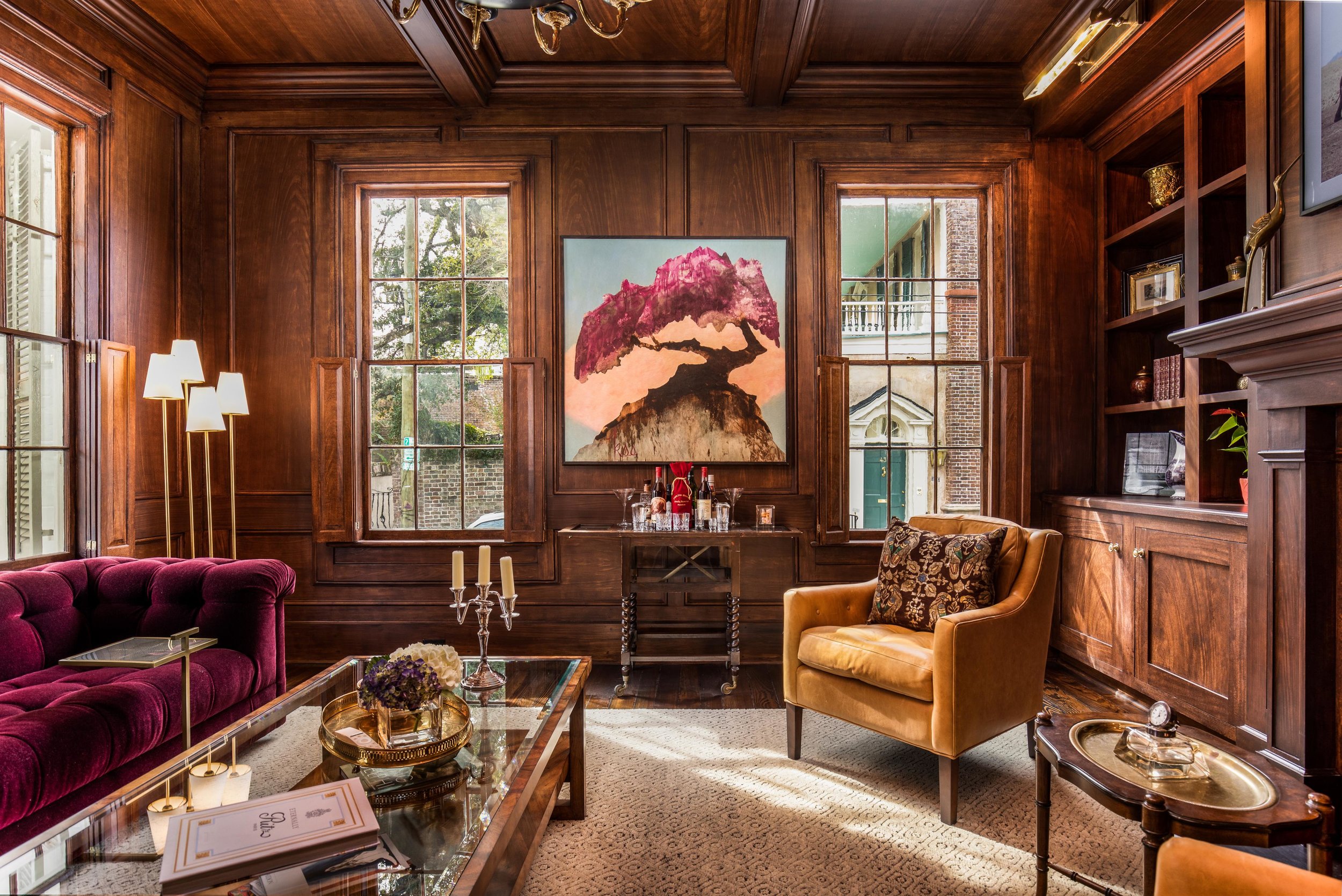
The lower angle of the sun means light enters buildings through windows at a different angle — often more directional and interesting for interior photography. For residences and commercial spaces designed around natural light (atriums, skylights, clerestory windows), fall interior light is often at its most beautiful.
Interior shoots can happen year-round, but the quality of natural light support you get from the available daylight is genuinely better in fall.
Planning Your Fall Shoot: Practical Considerations
If you're considering professional architectural or real estate photography for fall, here's what you should know about timing and booking:
October is peak season — the ideal light window, perfect temperatures, and the fact that fall is arriving all across the country means demand is highest. If you want a specific date in October, book now. We're already in early April, and October dates are filling.
November is still excellent — nearly as good as October, slightly less demand, slightly better availability. If October is booked full, November is a strong alternative.
Schedule exterior and twilight together — if your project includes both exterior architectural photography and twilight shots, schedule them on the same day. One afternoon shoot covers both the golden hour (4:30-5:30 PM) and the twilight window (5:45-6:15 PM). Efficient, cost-effective, and excellent results.
Ask about interior support — if the property has significant interior spaces you want photographed, interior shots benefit from that same quality fall light coming through windows. Schedule interior and exterior on the same day when possible.
Award Submissions and Portfolio Timing
Here's something worth considering if your project might be award-eligible: AIA award submissions typically have Q1 deadlines (January-March). That means if you want beautiful autumn photographs to include in an award submission, you need to have the shoot completed and final images delivered by December.
For architectural projects designed by firms targeting AIA recognition, or for multifamily/commercial projects competing for development awards, a fall shoot makes perfect timeline sense.
Similarly, if you're planning to feature a project in a publication (Southern Real Estate News, regional design magazines, trade journals), fall-shot imagery gives you the most striking visuals. Publications love that golden light and clear architectural detail.
Q4 Bookings: Lock in Your Dates Now
Fall is brief. October and November represent maybe 60 days of genuinely ideal conditions. If you've been thinking about scheduling professional photography for a project — whether it's listing your luxury home, documenting a completed development, capturing a construction milestone, or building your architectural portfolio — fall is the moment to commit.
I have limited availability for new bookings in the October-November window, and it fills quickly.
Reach out at elliscreekphotography.com/contact or call (843) 732-6111 to discuss your project and lock in your fall dates. Let's make sure your space is photographed in the light it deserves.
Fall in the Lowcountry is special. Your architecture should be captured that way.
---
END OF BATCH 3 BLOG POSTS
---
Continue Reading