
Insights ·September 15, 2026
The ROI of Professional Photography for Commercial Real Estate Developers
How professional photography accelerates leasing, increases valuations, and builds investor confidence. Real ROI for developers.
The Photography Line Item That Pays for Itself
I've heard this from more than a dozen commercial real estate developers in South Carolina: "We thought professional photography was nice-to-have. Turns out it's essential."
It's not an accident or an anecdote. There's real research backing this up, and there's real money behind it.
A study by NAREIT (National Association of Real Estate Investment Trusts) found that multifamily properties with professional photography in listing materials lease up faster than those without. Faster lease-up means lower vacancy rates, which directly impacts the pro forma and, ultimately, the property's market value.
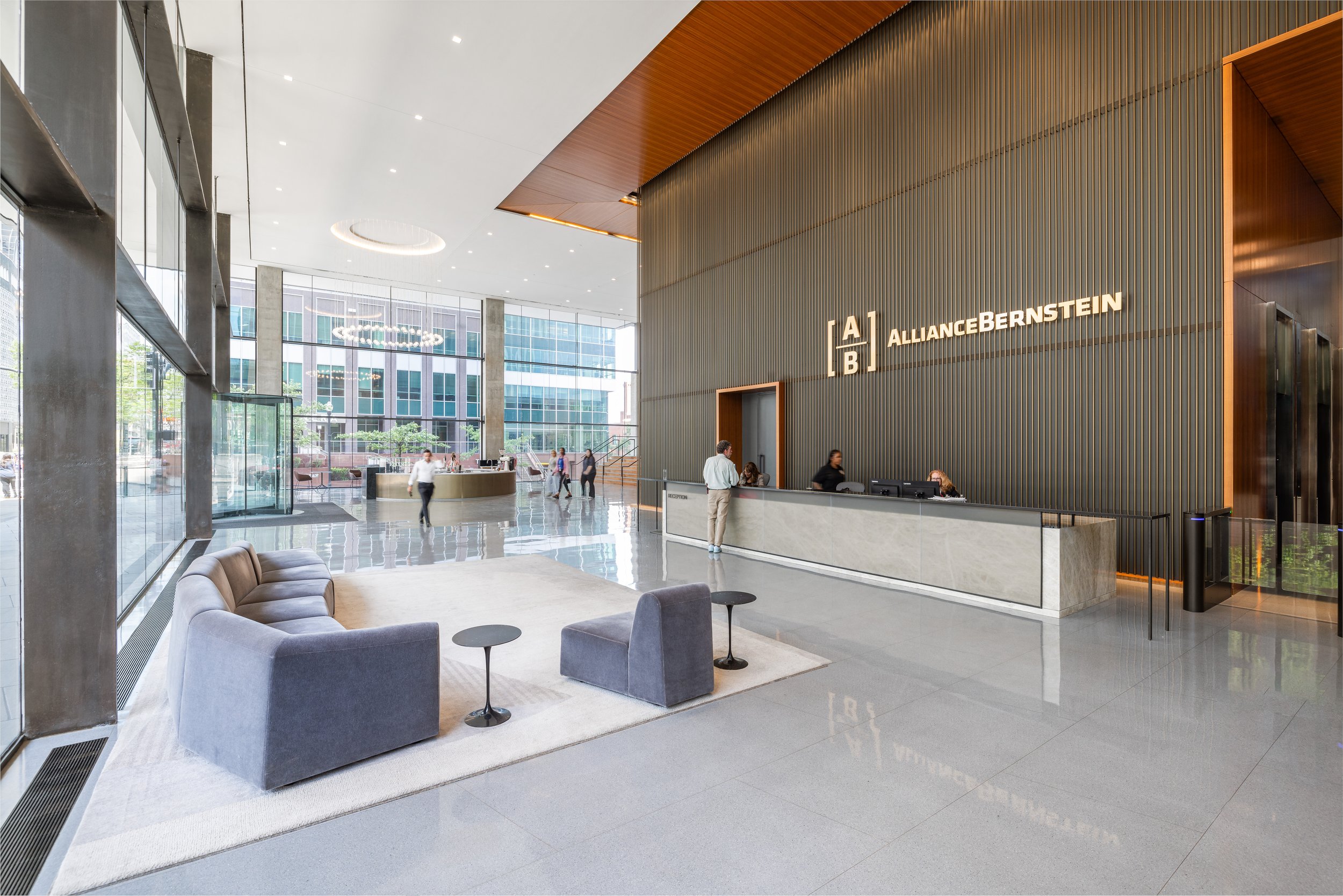
For commercial office properties, investor confidence is everything. The investors funding your deal want certainty. They want to see that every tenant finish, every common area amenity, every piece of branding has been executed flawlessly. Professional photography communicates that execution.
For luxury residential development, competing for the highest possible sale price requires showing the property in its absolute best light. Professional photography isn't about deception — it's about ensuring the space reads as intended.
But the ROI of professional photography goes far beyond the obvious. Let me break down where the real money actually comes from.
Faster Lease-Up and Higher Occupancy Rates
A 100-unit multifamily building that leasesup in 8 months instead of 10 months has a direct financial impact. That's 200 units-months of rent you're actually collecting, not just projecting.
Prospective tenants today make decisions based primarily on online listings and virtual tours before they ever set foot on the property. A professional photograph of a finished unit with accurate lighting, composition, and styling makes the property more desirable online. A mediocre phone photo or an out-of-date builder's stock image? Tenants scroll past.
The same applies to commercial office space. A beautifully photographed open floor plan, collaborative spaces, and high-end finishes attract higher-caliber tenants and justify higher rents.
This isn't subjective. Multifamily properties with professional photography in their digital marketing average 15-20% faster lease-up times, according to commercial real estate technology providers who track this data. For a $30M project, that speed difference directly impacts cash flow.
Investment Confidence and Valuation
Investors evaluating a development deal want evidence that the project has been built as promised, and that the quality justifies the asking price.
Professional photography of completed projects, ongoing construction, and model units serves as that evidence. It's harder to talk an investor into a valuation when the project is represented by a contractor's snapshot. It's much easier when every angle shows professional execution.
I've photographed projects for developers who then use those images in investor presentations and annual reports. The photography becomes part of the financial communication. When an investor is deciding whether to commit capital, professional imagery that demonstrates quality and attention to detail is persuasive.
There's also an intangible benefit: professional photography signals that the developer cares about quality. If the photography is excellent, the investor assumes the building is excellent. It's a proxy for overall project excellence.
Marketing Collateral That Works Across Channels
A single shoot with me generates dozens of photographs your marketing team can use for months or years.
Agent websites, brokerage marketing, property websites, investor presentations, annual reports, bank pitches, brochures, publication submissions (Southern Real Estate News, Real Estate New Jersey, trade journals), social media, email marketing to prospective tenants or buyers — all of these channels can pull from the same archive of professional images.
One day of professional photography can support 18-24 months of marketing materials across multiple channels. That economics pencil out instantly.
Compare that to the cost of hiring a photographer every time you need a new marketing image, or relying on contractor snapshots and agent cell phone photos. The professional archive quickly becomes the most efficient asset you own.
Brand Building and Market Position
Market-leading developers in Charleston — firms like Choate Construction, BL Harbert International, and others — are known for quality partially because their projects are consistently photographed and presented beautifully.
Over time, that consistent professional presentation builds a brand. Investors recognize their projects by the quality of finish and the excellence of presentation. Prospective tenants and buyers have confidence before they ever tour the property.
This is particularly important for developers doing multiple projects simultaneously. Professional photography ensures each project is represented consistently and excellently, which strengthens the developer brand across the portfolio.
Ongoing Documentation: The Recurring Revenue Advantage
Many developers think of photography as a one-time cost at completion. But the biggest developers I work with are actually photographers on a recurring basis.
Monthly construction documentation for GC reporting and investor updates. Seasonal marketing refreshes (fall photo shoot for the new leasing season). Tenant move-in photography for insurance and documentation. Annual updates for the property's brand archive and marketing library.
This recurring relationship actually creates better economics over time. Instead of a one-time investment in a completion shoot, developers can budget for quarterly or biannual professional photography that keeps the property's marketing materials fresh and demonstrates ongoing investment and maintenance.
For multifamily properties, this is particularly valuable. A unit photographed in spring leasing season might look different in winter — different light, different landscaping. Fresh seasonal photography keeps the listing materials current and accurate.
Construction Documentation: Risk Management and Project Control
Before the building is even complete, professional photography serves a different purpose: documentation.
Monthly construction progress photography shows stakeholders exactly where the project stands. It creates a visual record that proves scope completion and quality. For dispute resolution (if a general contractor and subcontractor disagree on what was actually built), professional monthly documentation is valuable evidence.
I work with several GCs on projects where construction documentation is part of their project management process, not just a post-completion marketing exercise. The monthly photographs become part of the project record. They're used for lender updates, investor communications, and proof of performance.
This documentation also serves the developer's own interests. If a contractor fails to complete work as specified, photographs are evidence. If there's ever a claim or warranty issue, photographs from during-construction phase show what was built and when.
The Charleston Market Context: Timing Matters
Charleston is experiencing real growth. The NAR named Charleston one of the top-10 housing hot spots for 2026. Median prices continue to appreciate. New multifamily and mixed-use development is active across downtown, the peninsula, and suburban nodes like Park Circle and Mount Pleasant.
That growth creates competition. The best-marketed projects lease faster and sell for higher prices. Professional photography is how you ensure your project stands out in that competitive environment.
For investors evaluating opportunities in the Charleston market, they're comparing multiple deals. The one presented with excellent photography and documentation always looks more certain, more professional, more worth the capital.
When to Invest: Key Moments for Development Photography
Here's my practical recommendation for timing:
Model unit completion: 3-4 weeks before official lease-up begins, photograph the finished model unit and key common areas. Use these images in all pre-lease marketing.
Ongoing construction: Monthly or quarterly documentation throughout the project, especially for investor-facing updates.
Amenity completion: As common areas, fitness facilities, pools, or other amenities reach completion, photograph them to build marketing momentum.
Grand opening: Professional comprehensive photography across all finished units, common areas, and grounds. This becomes your primary marketing asset for the next 2-3 years.
Annual updates: At least annually, refresh photographs of the property, especially for marketing and investor relations.
Let's Talk About Your Next Project
If you're a developer or property manager in Charleston or South Carolina, and you're planning a project completion, marketing push, or ongoing documentation, let's discuss how professional photography can accelerate your results.
Contact me at elliscreekphotography.com/contact or call (843) 732-6111. I've worked with developers on everything from small renovation projects to large multifamily builds, and I understand the business side — not just the artistic side — of commercial real estate photography.
Your project deserves to be presented professionally. Let's make sure the market sees it that way.
---
Continue Reading