
Insights ·March 26, 2026
The Charleston Island Guide: How Vacation Rental Photography Differs by Beach Community
What vacation rental photography looks like on Kiawah Island, Isle of Palms, Folly Beach, Sullivan's Island, and Wild Dunes — the renter psychology, visual language, and timing each market wants.
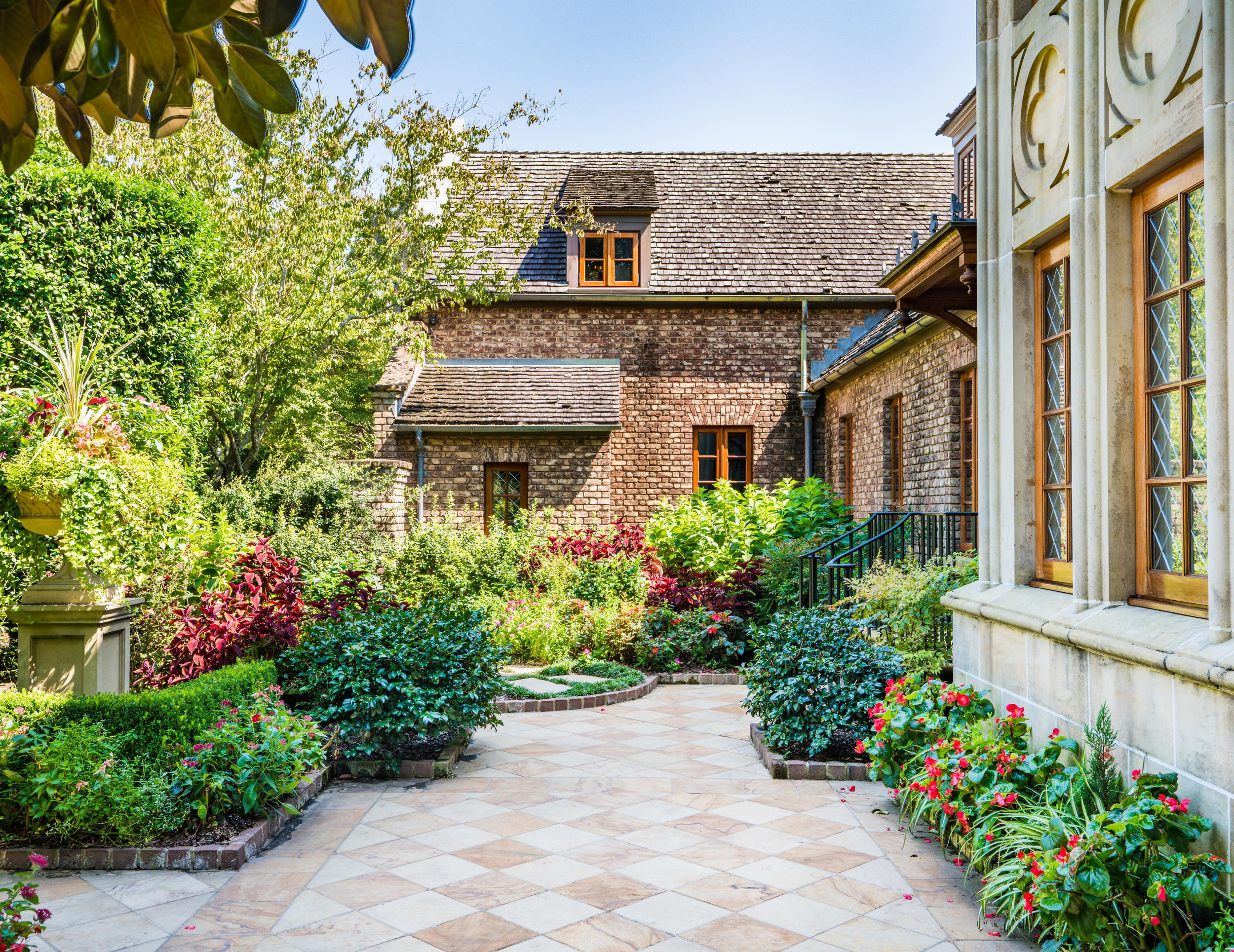
The vacation rental photography that works for a Folly Beach surf shack doesn’t work for a Kiawah Island marsh-front estate, and neither one is shot the way you’d shoot an Isle of Palms beachfront. Charleston’s coastal communities each carry their own marketing instinct — their own renter psychology, their own competitive landscape, and their own visual story. A photographer who treats them interchangeably leaves money on the table for every owner.
Here’s how vacation rental photography differs by Lowcountry beach community, and what owners and property managers on each island should be looking for when they commission a shoot.
Kiawah Island
Kiawah is a premium market in every direction. Average daily rates here can run multiples of what equivalent square footage commands on a less-developed barrier island. The rental product is sold on three pillars: privacy, golf, and the marsh-and-ocean integration that defines the island’s landscape character.
Photography for a Kiawah rental should lean into all three. Aerial drone establishes the marsh setting, the proximity to the beach, and the property’s position on a quiet residential road that distinguishes it from the more compressed properties closer to the Atlantic. Twilight exteriors trade volume for atmosphere — Kiawah renters aren’t volume-hunters. Interiors should photograph the way the home actually lives at evening hours, with warm light, the kind of low-key staging that doesn’t feel staged, and detail shots that elevate the property’s craftsmanship rather than just inventory its rooms.
The renter is making a high-dollar booking decision. The photography is the proof they’re making it correctly.
Isle of Palms
IOP is a busier market with a wider range of property types — beachfront luxury homes, ocean-block townhomes, mid-island ranches, and small single-family rentals across the residential streets. The competitive landscape is denser than Kiawah and the renters skew younger, more family-oriented, and more comparison-shopping.
Photography needs to do two things on IOP: establish the beach proximity that’s the dominant value proposition (drone, exterior, walk-to-beach context) and then sell the unit interior at the level of detail a family booking eight weeks out wants to see. Kitchens read large. Bedroom counts and bunk-room layouts get the explicit photographic attention they deserve. Outdoor decks, grills, and outdoor showers all get their own moment.
Folly Beach
Folly is the most casual of the Charleston-area rental markets and the photography should match. The renter here is younger, often surfing-adjacent or surf-curious, and looking for an authentic Folly experience — not a luxury experience that happens to be located near the Folly Beach pier. Polished but not glossy.
Practical visual language: brighter light, more daytime imagery than twilight, real-life beach equipment visible in some shots, walk-to-pier framing, the kind of casual unit photography that says "you’ll feel at home here" rather than "you’ll feel pampered." The mistake on Folly is overproducing — a Kiawah-grade twilight architectural treatment on a Folly Beach cottage looks aspirational in the wrong direction.
Sullivan’s Island
Sullivan’s is the quietest of the Charleston-area beach markets, with a smaller rental inventory and a renter pool that skews toward repeat visitors and quieter family weekends. Rentals are often historic or near-historic homes with strong architectural character.
Photography here trades volume for atmosphere — closer to Kiawah’s sensibility than Folly’s, even though the price points run lower. Architectural character matters. The relationship to the beach matters. The sense of being on an island with three commercial blocks and the rest residential matters. The renter is choosing Sullivan’s precisely for what it isn’t.
Wild Dunes & the resort end of IOP
The Wild Dunes resort properties sit visually closer to Kiawah than to the rest of IOP — gated, golf-integrated, with amenity access (pools, fitness, dining) that’s part of the rental story. Photography should establish the resort context as part of the property’s value, not just the unit interior. Aerial that captures the golf course and ocean relationship; amenity photography of pools and fitness facilities included; interior photography at the higher-craft tier that resort-rental renters expect.
Edisto and the further-out coastal communities
Edisto and the more remote Lowcountry rental markets each carry their own visual story — the same per-property approach applies, just with different anchor narratives. Edisto trades polish for solitude. Photography that emphasizes the remoteness, the quiet beach, and the deep sense of being away does more for a booking than maximizing room counts and amenity inventories.
What this means for owners and property managers
If you own or manage a rental on a specific Lowcountry beach community, the right photography for your property is calibrated to your renter, not to a generic vacation-rental photography template. The architectural style, the renter psychology, and the competitive landscape on each island are different enough that a one-size-fits-all approach leaves bookings on the table.
For routine listing-grade vacation rental photography — the kind that needs to flow into your Airbnb, VRBO, or property management dashboard quickly — Coastal Real Estate Photography, our sister company, handles the high-volume rental product across the Charleston metro. For more editorial-grade, fully-bespoke shoots on premium properties (Kiawah marsh-front estates, historic Sullivan’s Island homes, Wild Dunes resort properties) where the photography needs to live up to the property and the rental rate, we work directly under the Ellis Creek brand. Either way, reach out to discuss which approach fits your specific property and rental positioning.
Author
Josh Corrigan
Topics
Continue Reading