
Insights ·February 11, 2026
Architectural Walkthrough Video for Architects: A Live-Action Alternative to 3D Renderings
Live-action architectural walkthrough video for completed projects — AIA submissions, design press, portfolio reels. CineFlow video for architects, designers, and builders, produced same-session as architectural still photography.
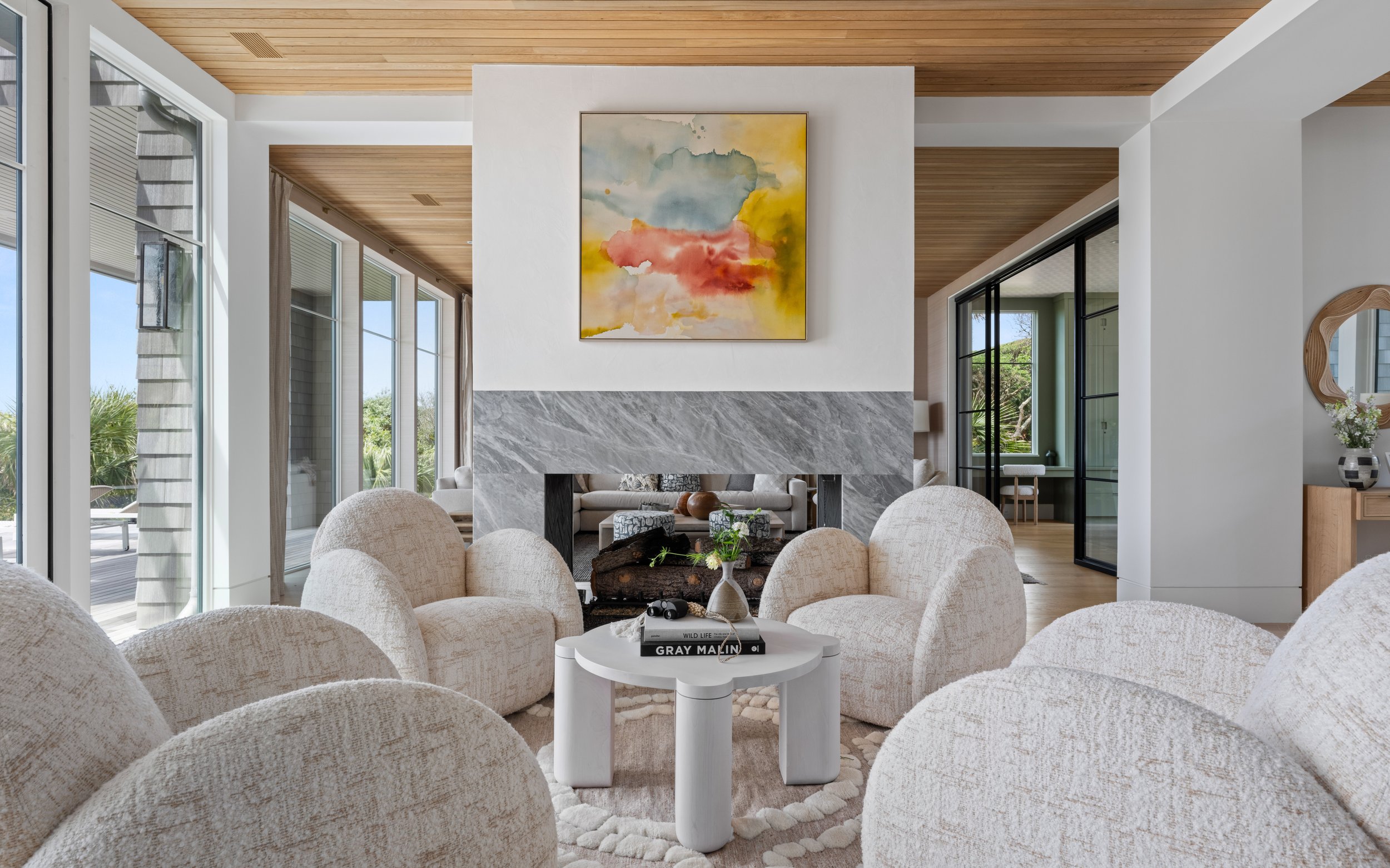
Search "architectural walkthrough video" in Google and look at what ranks. Eight of the top ten results are 3D animation companies — renderings, fly-throughs, the kind of CGI architects commission before a building exists. The remaining two are studios producing high-end CGI motion content for marketing agencies. Live-action video of completed architecture — the kind that actually shows the building, the way the light moves, the texture of the materials, the relationships between spaces — barely ranks at all.
That gap exists because the people producing live-action architectural video are almost always either (a) still photographers expanding into motion as a secondary service, or (b) video producers who don’t come from architecture and aren’t embedded in the design firms’ vocabulary. The result is a category that’s underserved relative to the demand — architects, designers, and developers who want their completed projects shown in motion don’t have an obvious place to go.
This is what CineFlow is built for, and what the case for live-action architectural walkthrough video looks like when you actually compare it to the alternatives.
What 3D renderings can’t show
3D renderings have a job, and it’s a real one: communicating design intent before construction, supporting entitlement and approvals, giving lenders and partners something to evaluate. CGI walkthroughs do all of that well. What they don’t do — can’t do — is show how the finished building actually behaves.
A rendering can’t show how morning light hits the east-facing fenestration the way the architect intended. It can’t show how the material palette reads on an actual cloudy afternoon. It can’t show the small operational details that make a hospital corridor feel calm or chaotic, an office lobby feel welcoming or sterile, a residence feel lived-in or staged. Those qualities live in the gap between drawn intent and built reality, and they’re what live-action video captures.
For an architecture firm submitting a completed project to AIA awards, Architizer, or design press, that gap matters. The juries comparing entries can tell the difference between rendering-derived presentations and footage of the actual building, and they reward the latter.
What CineFlow is, and why it’s different from a real estate listing video
CineFlow is Ellis Creek’s cinematic walkthrough video product. For real estate listings, it’s the polished hand-edited listing video. For architects, designers, and builders, it’s the live-action walkthrough version of the still photography we produce on the same site visit.
The same precision that defines our architectural photography — full-dynamic-range capture, color calibration matched to the building, attention to spatial relationships and material accuracy — carries through to every frame of motion. The walkthrough video isn’t a separate project commissioned from a different vendor on a different visit; it’s produced at the same site visit as the still images, so light, weather, and the building’s lived-in state are consistent across both deliverables.
For an architect submitting an awards entry, that consistency matters more than it sounds. Juries see a portfolio that’s clearly the work of a single creative voice, not a stills shoot plus a separately-commissioned video that doesn’t quite match.
What you can do with it
Architectural walkthrough video has specific homes: AIA award entries that allow motion submissions, the case-study video on a firm’s website project page, social media reels that drive traffic to the project case study, press kits sent to design publications, and the portfolio reel a firm uses in pursuit of the next commission.
For developers and owners, it’s the leasing-marketing asset that does what still photography alone can’t — communicates the spatial flow of an apartment community or office building to a prospect who hasn’t walked the property. For builders, it’s the portfolio piece that converts "here are some photos" into "here’s what we built," which is a meaningfully different sales conversation.
What the production model looks like
CineFlow walkthrough video for architects, designers, and builders is produced as part of an architectural photography session. The deliverable is a polished, hand-edited cinematic walkthrough — not raw footage, not a quick assembly — with sound design, color grading, and pacing calibrated for the audience. Single hand-edited piece or multiple shorter cuts for different platforms, depending on use case.
Pricing starts at $349 for a cinematic walkthrough produced alongside still photography. The integration with the photo session is the structural advantage — it’s why the video and stills look like they came from the same author, because they did.
If you’re considering motion for an upcoming project
The right conversation is during scope planning — before the photo shoot — not after the stills are delivered. Adding CineFlow to a planned architectural photography session is straightforward; commissioning a separate walkthrough video as a follow-up is much more expensive and rarely matches the look of the stills. We’re based on the South Carolina coast and work coast to coast on architectural assignments. Reach out to discuss whether motion belongs in your upcoming project documentation.
Continue Reading