
Insights ·June 1, 2026
The Architect's Guide to Commissioning Photography for Award Submissions
A professional guide to commissioning architectural photography for AIA awards and design competitions. Timing, communication, and deliverables explained.
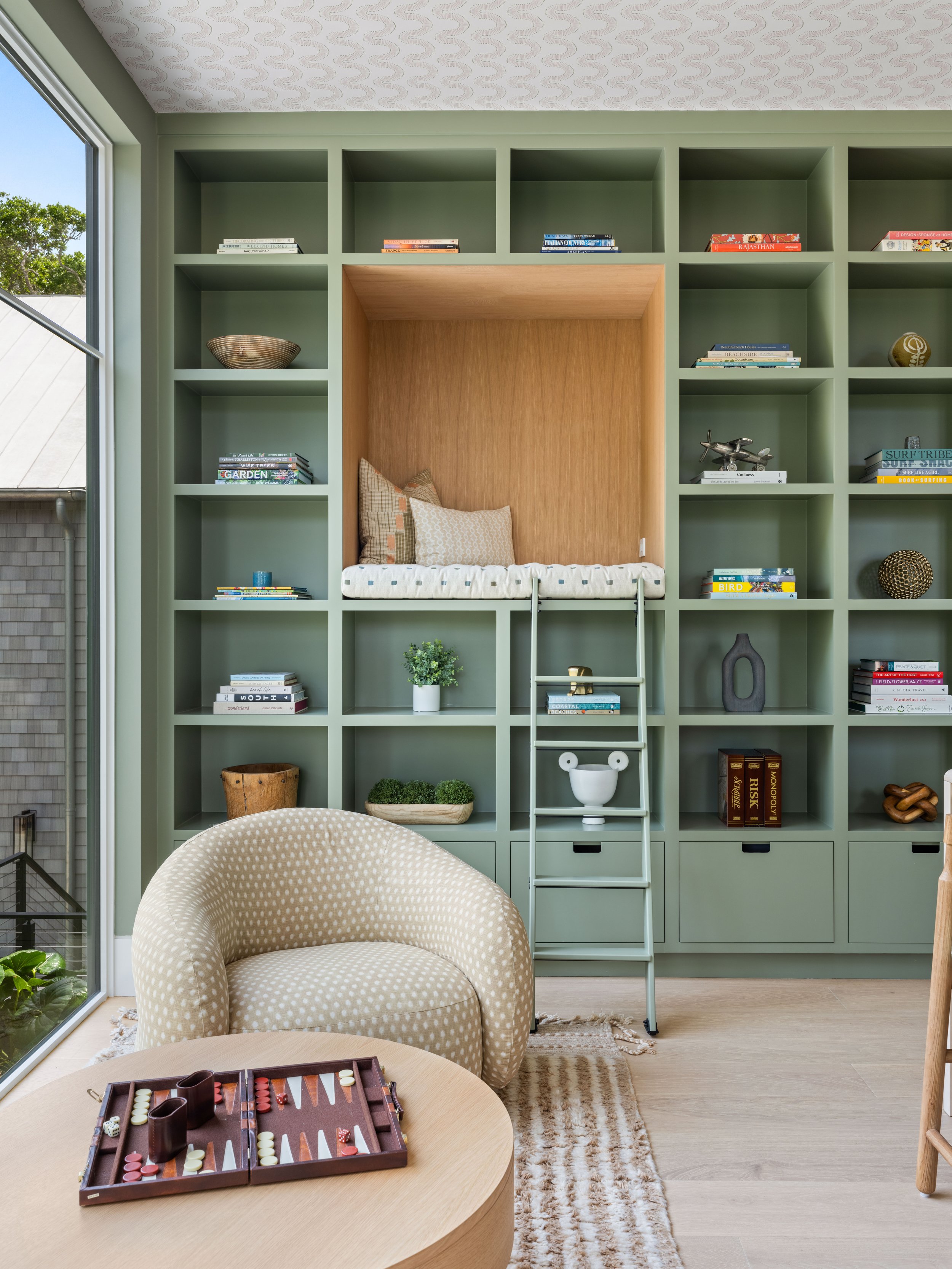
If you've designed a project you're proud of, you've probably thought about award submissions. AIA South Carolina Design Awards, Architizer A+ Awards, Architectural Digest, regional publications—there are legitimate, prestigious venues where exceptional work gets recognized. But here's something I've learned from working with architecture firms: the quality of the photography directly affects whether a project gets that recognition.
I'm not overstating this. I work with architects on portfolio projects, design documentation, and award submissions. The projects that get published and recognized are almost always the ones with excellent photography. The design might be identical, but the photographer makes the difference in how that design is perceived and whether it moves people enough to recommend it for awards or publication.
If you're considering submitting a project for recognition, understanding how to work with a photographer is a critical piece of your strategy.
Timing Is Everything
The ideal time to commission photography for a project is right after substantial completion—when construction is finished, materials are fresh, and the design is fully realized—but before the building gets lived in or occupied long enough for normal wear to begin.
For commercial or institutional projects, this window is often quite tight. You might have a few weeks between practical completion and tenant occupancy or facility activation. Planning ahead is crucial. If you know you want to pursue awards, flag this timeline with your photographer months in advance. This ensures availability and allows proper planning for lighting conditions, seasonal considerations, and site access.
For residential or design-forward projects, you sometimes have a bit more flexibility. But even so, capturing a space before it's been fully lived in presents the design most clearly. Fresh finishes, undisturbed material surfaces, and pristine conditions all read better in award submission photography.
Communicate Design Intent Directly
Before your photographer arrives, spend time explaining the design intent. What problem were you solving? What were the key design moves? What materials did you select and why? What's the relationship between the building and its context? Are there specific details that showcase craft or innovation?
This conversation changes everything about how a skilled photographer approaches the work. It changes the angles they choose, the timing they plan for, and the details they emphasize. A photographer who understands that your material palette tells a story about sustainability will photograph materials differently than one who doesn't know. A photographer who understands that your building mediates between historic fabric and contemporary design will choose different context shots.
When I work with architects on award submissions, I ask these questions directly. The answers guide every decision I make. The best award-submission photographs are the ones where the photographer truly understands the design thinking behind them.
Prepare the Space Thoughtfully
Your photographer will do better work in a well-prepared space. This doesn't mean artificially sterile—sometimes authenticity is powerful. But it does mean:
Declutter strategically. Remove items that distract from the design. A beautiful interior becomes muddled if there are personal objects, clutter, or things that date the photograph. This is especially true for award submissions, where the design itself should be the subject.
Consider furnishing and styling. Is the space better photographed empty to show architectural volume and form? Or does selective furnishing help viewers understand how the space functions? This is a conversation between you and your photographer. Different answers work for different projects.
Manage signage and temporary elements. Construction signage, temporary barricades, or active maintenance will read in photographs. Plan for removal or work around them.
Verify site conditions. Is landscaping mature enough to show the design intent? Is exterior hardscape complete? Are there seasonal conditions you want to capture or avoid? A completed project in peak bloom reads differently from the same project in winter.
Request the Right Deliverables
Award submissions typically need several categories of photography:
Hero shots. These are the signature images—the photograph that best represents the project and would appear first in a publication or award submission. Hero shots often capture the building's most distinctive feature, in the most flattering light and conditions. They're composed to draw the viewer in.
Context shots. These show how the building sits in its surroundings. They establish the relationship between the new project and existing urban fabric, landscape, or neighboring structures. They answer the question: "How does this project fit into its context?"
Detail shots. These showcase craftsmanship, materiality, and design refinement. A beautiful juncture between materials, a striking architectural detail, the articulation of a facade—these details demonstrate the care and precision of the design. Award submissions often include 2-4 detail shots that highlight what makes the design special.
Process or lifecycle shots (optional). Some submissions benefit from photographs that show how the building functions or changes throughout the day—twilight conditions, morning light, seasonal variation. For institutional buildings, photographs of occupancy and use can be powerful.
Elevations or geometric shots. Depending on the building type, clean, frontal shots that show proportion, symmetry, and facade organization can be important.
The Golden Hour and Twilight Advantage
Many award-winning architectural photographs capture buildings during golden hour—the hour after sunrise or before sunset—when light is warm, directional, and beautiful. This light flatters materials, reveals texture, and creates drama.
For twilight shots, where interior lighting creates a warm glow against darkening sky, the effect can be particularly striking. It demonstrates how the building performs at night and creates a sense of vitality and activity.
These conditions require planning. Golden hour happens at specific times of day that change throughout the year. If you're photographing in December, golden hour is quite short. If you're photographing in June, it lasts longer. Your photographer should plan shoots to capture these conditions if they serve your project.
Sometimes overcast light is preferable—it's even, it reveals material color authentically, and it removes harsh shadows. Sometimes specific seasonal conditions are important to the story. This is part of the conversation in planning.
Season and Weather Considerations
Consider when photography should happen relative to seasonal conditions. Is landscaping important to the design? Mature plantings, blooming conditions, or deciduous trees creating sculptural winter forms all read differently. Is the project's relationship to water, views, or natural features part of its story? Season affects all of this.
Weather during the shoot matters too. A stormy sky can be dramatic. A clear blue sky is clean and bright. Gentle overcast can be ideal for showing detail and material. These are creative choices worth discussing with your photographer in advance.
Working with a Photographer Who Understands Architecture
Not all photographers understand architectural work. Some try to photograph buildings the way they'd photograph real estate—brightening, enhancing, sometimes over-processing. That's not what award submissions need.
Work with a photographer who understands that architectural photography is about revealing design intent, showcasing materiality honestly, and creating images that communicate to other architects and design professionals. When you find a photographer who gets this, the results will serve your work for years—in award submissions, in your portfolio, in proposals to future clients.
I work regularly with architecture firms on award submissions, portfolio documentation, and design photography. I've helped projects get recognized because the photography elevated how the design was perceived. I understand what award juries look for, what publications need, and how to translate three-dimensional design into two-dimensional imagery that compels.
Ready to Photograph Your Project?
If you've completed a project you're proud of and you're thinking about submissions, publication, or simply having excellent portfolio documentation, let's talk about approach, timing, and deliverables.
I'm familiar with AIA South Carolina Design Awards and other regional competitions. I understand the specific requirements of different submission formats and how to plan photography that serves award contexts as well as general portfolio use.
Reach out at (843) 732-6111 or elliscreekphotography.com/contact. Let's discuss how to photograph your work in a way that gives it the best chance at recognition and creates images you'll use for years to come.
Continue Reading